How to Master the HCG Diet Schedule for Effective Weight Loss

How to Master the HCG Diet Schedule for Effective Weight Loss

The HCG (Human Chorionic Gonadotropin) diet is a popular weight loss plan that combines a very low-calorie diet (VLCD) with the use of HCG hormone injections. This diet, originally developed by Dr. A.T.W. Simeons in the 1950s, can help individuals lose significant amounts of weight quickly while targeting fat stores without losing muscle. You too can master the HCG Diet Schedule.

Although the HCG diet is often praised for its rapid results, mastering the diet schedule is crucial for effective weight loss. The HCG diet schedule is broken down into four key phases.

  • Loading
  • Weight loss
  • Stabilization
  • Maintenance

Following the HCG diet phases and sticking to the calorie restrictions can be challenging, but proper planning and discipline can lead to successful outcomes.

Here’s how to navigate and master the HCG meal schedule for optimal weight loss.

Phase 1: Loading (Days 1-2)

Remember that this is NOT medical advice, and readers should seek the advice of a medical professional before starting any medication or diet program.

The loading phase is crucial as it prepares your body for the restrictive calorie intake in the following weeks. During these two days, you will take the HCG hormone while consuming high-fat, high-calorie foods.

The goal is to load your body with fat stores that it can use as energy during the next phase. Focus on foods rich in healthy fats, such as avocados, nuts, dairy, and fatty meats.

Don’t skip or skimp on this phase. Proper loading is essential to prevent hunger and fatigue when you begin the low-calorie phase.

Phase 2: Weight Loss (Days 3-40)

This is the heart of the HCG weight loss plan, where most of the weight loss occurs. You’ll continue taking HCG while following a strict 500-calorie-per-day diet.

The diet primarily consists of lean proteins, vegetables, and specific fruits, while avoiding sugars, starches, and fats. Typically, individuals lose between 0.5 to 1 pound per day during this phase.

Sample foods to include:

  • Lean meats like chicken breast, fish, or turkey breast
  • Non-starchy vegetables like spinach, lettuce, cucumbers, and asparagus
  • Fruits like apples, strawberries, and grapefruit

Phase 3: Stabilization (3 Weeks)

Once the weight loss phase is complete, you’ll enter the stabilization phase, where you stop taking HCG but gradually increase your calorie intake. However, you’ll still need to avoid sugars and starches. This phase allows your body to stabilize its new weight and reset its metabolism.

Slowly reintroduce healthy fats and larger portions to your meals. Monitor your weight closely and avoid large fluctuations.

Phase 4: Maintenance (Indefinite)

In the final phase, you can return to a normal calorie intake, but the focus should remain on healthy eating habits. This phase is about maintaining your new weight for the long term by eating balanced meals, exercising, and avoiding processed foods high in sugars and unhealthy fats.

HCG Diet Schedule – Successfully Boost Your Weight Loss Results

HCG diet results vary from person to person, but it does depend highly on how strictly you stick to the HCG diet schedule. It can be hard at first, but if you stay consistent, you can see astounding results.

You can get many of your HCG supplies like HCG injection kits, HCG mixing kits, and more from HCGSupplies.com. We offer free standard shipping on orders over $49 with our coupon, FREESHIP49.

Check out our online catalog today.

Where to Buy a Syringe and Needle: Top Recommendations

where to buy a syringe and needle

The HCD diet probably marks a watershed moment in your quest for health and wellness. But like any quest, you need the best tools and equipment in hand throughout your journey.

Choosing high-quality syringes and needles is vital for the safety and effectiveness of your HCG protocol. But first, you need to know where to buy syringes and needles. We have the answers for you here.

Understanding the Syringe and Needle Options Available

When you embark on the HCG diet, you’ll need appropriate syringes and needles. They need to meet two criteria: safety and effectiveness. So always check what you are buying and understand the details.

At HCGSupplies, we sell two types of syringes and needles: insulin and intramuscular.

Insulin needles are subcutaneous, meaning they penetrate the fatty layer of tissue right below the skin. Intramuscular injections go deeper into the muscle tissue.

Syringes must also be the right size for precise dosing and minimize wasted mixture. That’s important in the HCG protocol.

Subcutaneous needles are shorter and better for those with a phobia of needles. In contrast, many dieters prefer the intramuscular needle, which is also aligned with protocols outlined in Kevin Trudeau’s and Dr. Simeons’s books.

However, always consult with your healthcare professional. This guidance is for informational purposes only and not medical advice.

Selecting Syringes and Needles from Suppliers

When you search syringes like the ones available on HCGSupplies, you’ll notice that these are measured in milliliters (mL). You want a needle that matches the dosage requirements of the HCG protocol.

Needles will vary in length and thickness. A thinner, ultra-fine needle often means a more comfortable injection.

However, it’s worth remembering that smaller needles are more likely to bend when inserted into rubber-capped vials. So, you must choose one that maintains integrity throughout the injection process.

Always consult your healthcare provider for advice on injecting if you haven’t done so before, including how to dispose of used needles safely.

How to Choose a Reliable Supplier for Syringes and Needles Online

Quality, safety, and reliability should be the hallmarks of any trusted supplier, and that is what we offer at HCG Supplies.

First, you must choose a provider like us who sells FDA-approved products to ensure a safe syringe purchase and offer you peace of mind.

Additionally, you’ll notice from our website that our customers are our number one priority. A customer-focused provider is essential because you want a company that will deliver reliably and one you can depend on for high-quality products.

Where to Buy a Syringe and Needle

When following the HCG protocol, it’s vital you find a trusted provider to buy HCG supplies. If you want to know where to buy a syringe and needle, you’ll find the answer right here.

Our US-based supplies and five-star reviews from customers make us the preferred source for all those following the HCG protocol. Browse our range of products now and try us out for yourself. HCGSupplies.

Bacteriostatic Water vs Sterile Water for the HCG Diet

bacteriostatic water vs sterile water

Bacteriostatic Water vs Sterile. Dieting requires preparation to get it right. Much of this preparation comes in the form of research to ensure finding the diet that is right for you. After that, if you are serious about adhering to a particular strategy, it’s important to follow all instructions to the letter.

At HCG Supplies we don’t offer medical advice, but we can certainly help with the facts.

This article was written to correct some common misconceptions with bacteriostatic water vs sterile water. If you’re considering the HCG diet for yourself, keep reading to discover why the distinction is so important!

The HCG Diet

Dieting helps us to restrict calories and lose weight by giving us a set of rules. Many of us don’t fully understand the impact that certain foods have on our system. So it’s easier to follow a set of guidelines made by those who do. For any diet to be a success, it’s important that we follow each step.

The HCG diet requires a particular dedication to following the steps without deviation. This is important for the diet to be effective. An important factor to understand is the difference between bacteriostatic water and sterile water.

HCG Preparation

To administer HCG safely and effectively requires some preparation prior to injection. This is usually done at home with careful measurements and the correct type of diluent. Using the wrong type invites the possibility of future health complications. So it’s crucial to get it right.

Sterile water and bacteriostatic water are easily confused, but they do differ in important ways. Both are used to dilute medications for injection. Only bacteriostatic water is recommended for multi-dose injections.

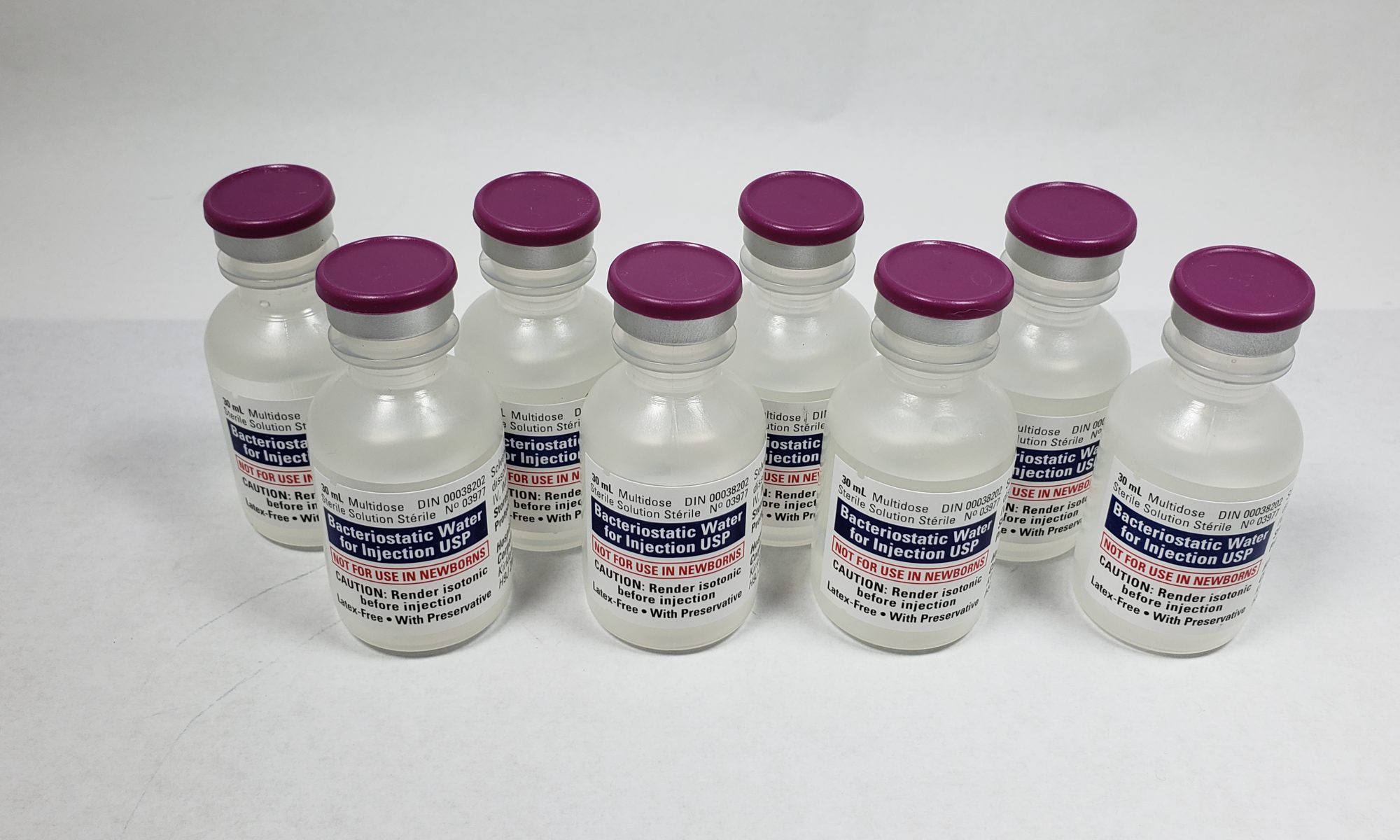
Bacteriostatic water contains 0.9% benzyl alcohol, which inhibits bacterial growth and allows for longer-term storage. This makes it perfect for reducing the chance of contamination. This means solutions of HCG can be used multiple times. That is convenient for anyone following the diet.

Sterile water is only considered perfectly sterile until the packaging is opened, meaning it has to be used immediately. It contains no preservatives, too, meaning its use in place of bacteriostatic water may cause variability in HCG dosage. There are no benefits to using sterile water over bacteriostatic water for injections, and general medical guidelines advise against it.

Bacteriostatic Water vs Sterile Water

Weight management can be made easier with the HCG diet, so long as you understand the importance of differentiating between the types of water for injections.

At HCG Supplies, we’ve been carefully selecting stock to help people with their weight loss goals since 2007. Our years of experience and countless satisfied customers speak for themselves.

If you’re curious to learn more about the HCG diet, and now you know the difference between bacteriostatic water vs sterile water, don’t hesitate to get in touch! Order Bacteriostatic Water online. We’re happy to answer any questions you may have to help put your mind at ease.

How Long Does Bacteriostatic Water Last Shelf Life Explained

How Long Does Bacteriostatic Water Last Its Shelf Life Explained

Have you ever prepared a medication mixture only to second-guess whether the solution is still potent or even safe to use? For those relying on injectable medications like HCG or peptides, this concern is all too familiar. The key to maintaining both efficacy and safety lies in the component we often overlook: bacteriostatic water. Bacteriostatic Water How Long Does it Last?

How long does bacteriostatic water last? Typically, it’s safe for about a year unopened (check the expiration date on the label). But once you puncture the seal, the clock starts ticking, and you have 28 days to use it effectively.

Let’s dive into what impacts this timeline and how you can make the most of every drop to ensure your treatments are as effective on day 28 as they were on day one.

What Is Bacteriostatic Water?

Bacteriostatic water is a type of water that is used for mixing medications for injection. Unlike regular sterile water, bacteriostatic water contains benzyl alcohol, which acts as a preservative to prevent bacterial growth.

This makes it ideal for use in situations where the same solution might be used multiple times, such as in hormone replacement therapy, peptide therapy, or during HCG treatments for weight loss.

Bacteriostatic Water How Long Does it Last?

The shelf life of unopened bacteriostatic water typically ranges from one year to 18 months from the date of manufacture. It’s essential to check the expiration date on the bottle before use. This ensures the preservative is still capable of inhibiting bacterial growth which keeps the water safe for multi-dose usage in medical preparations.

Shelf Life After Opening

Bacteriostatic Water How Long Does it Last?

Once opened, the rules change for bacteriostatic water longevity. The preservative in the water keeps it safe for use up to 28 days after opening. It’s crucial to mark the date of opening on the vial to keep track of this time frame!

Bacteriostatic water expiration becomes a concern after these 28 days, as the effectiveness of the benzyl alcohol to stave off bacteria diminishes.

Factors Affecting Shelf Life

Storing bacteriostatic water safely is vital to maintain its efficacy. The storage conditions can significantly impact bacteriostatic water longevity.

It should be kept in a cool, dry place away from direct sunlight. These conditions help preserve the benzyl alcohol’s effectiveness as a preservative. Temperature fluctuations and exposure to light can accelerate the degradation of the preservative which reduces the water’s effectiveness as a bacteriostatic agent.

Additionally, proper handling practices are essential when using bacteriostatic water. Always use aseptic techniques to draw the water into a syringe. This involves cleaning the rubber stopper with an alcohol swab before piercing it with a needle.

Maximize Your Health with Trusted Supplies

Understanding how long bacteriostatic water will last ensures that your medical and therapeutic practices are both safe and effective. From exploring the stability of an unopened vial to the critical 28-day period post-opening, managing the shelf life of bacteriostatic water is crucial.

At HCGSupplies, we specialize in providing top-tier HCG mixing and injection supplies to ensure that you always have access to the highest quality bacteriostatic water available. With our commitment to excellence since 2007, let us be your trusted partner. Browse our HCG mixing and injection supplies today and discover how we can support your wellness journey.

HCG Phase 2 Tips: What to Eat to Meet Your Daily 500-Calorie Intake

HCG Phase 2 Tips: What to Eat to Meet Your Daily 500-Calorie Intake

What Does 500 Calories Look Like? Meal Ideas if You’re on the HCG Diet

Losing weight is a common goal for many people, with around half of adults attempting it every year according to a National Health and Nutrition Examination survey. Among the plethora of diets out there, the HCG diet stands out as one of the most effective options.

Its second phase, characterized by a strict 500-calorie HCG diet menu, can be challenging but rewarding. In this post on what does 500 calories look like, we’ll share some practical tips on what to eat during this phase to help you stay on track and reach your weight loss goals.

This includes sticking to lean proteins, opting for non-starchy vegetables, and more. Let’s get started with our guide to filling low calorie foods.

Stick to Lean Proteins

During Phase 2 of the HCG diet, protein becomes your best friend. As such, you should opt for lean sources like chicken breast, white fish, shrimp, and lean beef.

These proteins not only help you stay full but also provide essential nutrients without adding excess calories. Grilling, baking, or steaming your protein is the way to go to keep it healthy and delicious. They form a central part of an easy low calorie meal prep routine.

Load Up on Non-Starchy Vegetables

Fill your plate with non-starchy vegetables to bulk up your meals without adding many calories. Leafy greens like spinach, lettuce, and kale are excellent choices, along with cucumbers, tomatoes, and broccoli.

These veggies are rich in vitamins, minerals, and fiber, keeping you satisfied and supporting your overall health while on a low-calorie diet.

Incorporate Fruits Wisely

While fruits are generally healthy, some are higher in natural sugars and calories. During Phase 2 of the HCG diet, it’s best to stick to fruits with lower sugar content like strawberries, apples, and grapefruits.

These fruits provide sweetness and nutrients without spiking your calorie intake. You can enjoy them as snacks or add them to salads for a refreshing twist.

Don’t Forget Healthy Fats

Despite the low-calorie nature of Phase 2, incorporating healthy fats into your meals is essential for satiety and overall health. We recommend that you opt for sources like avocado, nuts, seeds, and olive oil in moderation.

Fats like these not only add flavor and texture to your meals but also help absorb fat-soluble vitamins and keep you feeling full for longer periods. But eat these very sparingly or not at all during phase 2.

Stay Hydrated

Last but not least, drinking enough water is crucial during any weight loss journey, including Phase 2 of the HCG diet. Not only does water help flush out toxins and waste from your body, but it also helps curb hunger and prevent overeating.

Aim to drink at least eight large glasses of water per day, and consider incorporating herbal teas for variety.

What Does 500 Calories Look Like?

In summary, sticking to lean proteins, non-starchy vegetables, and strategic fruit choices while incorporating healthy fats and staying hydrated can help you navigate Phase 2 of the HCG diet successfully.

But what does 500 calories look like? Ultimately, it’s balanced plates filled with nutrient-dense foods that fuel your body while supporting your weight loss goals.

Get started on your weight loss journey today! Explore HCGSupplies for top-notch HCG diet supplies, including mixing kits and more. Visit our shop to discover how we can support you on your path to a healthier lifestyle.

How to Mix Bacteriostatic Water With HCG

how to mix bacteriostatic water with hcg

The HCG Diet has been around for more than 70 years and is a tried-and-true strategy for losing weight faster. But if you are new to this diet, you may wonder how to mix bacteriostatic water with HCG.

In this guide, we give you a simple five-step process to start mixing HCG injections yourself. Read on for our top tips.

Step 1. Prepare Your Tools

Before you start mixing, gather the ingredients you will need. Lay out the following tools and ingredients on a clean, dry paper towel:

  • HCG
  • Bacteriostatic water
  • Mixing syringes and needles
  • Sterile vials with caps
  • Alcohol pads

You can find all of the tools you need to mix your HCG injections at HCG Supplies. We have bacteriostatic water, but you will have to purchase your HCG separately from another company.

Step 2. Determine the HCG Dose

Always talk to a medical professional to determine the right HCG dose for you. Dosing recommendations range from 125 IU to 200 IU per day. The right dose for you depends on many different factors.

HCG is sold in ampoules. Ampoules range in dosages from 1,500 IUs to 10,000 IUs. The size you purchase and the daily dose you need will determine how much bacteriostatic water you need to add when mixing.

Step 3. Sterilize Your Supplies

Wash your hands before sterilizing your HCG mixing supplies. Once you have dried your hands with a clean paper towel, use the alcohol wipes to clean the top of the HCG container, the bacteriostatic water cap, and the empty vial cap.

Step 4. Determine the Strength

Before you start mixing, you need to determine how much bacteriostatic water you need based on your desired daily dose. Let’s say you have 2,000 IU ampoules of HCG and want a 125 IU daily dose. In that case, you will need to use 8 cc of bacteriostatic water to create your injections of 0.5 cc per day.

For a full breakdown of injection strengths based on ampoule size and desired daily dose, check out our complete HCG mixing instructions guide.

Step 5. Mix the Ingredients

Now, it’s time to start mixing! First, open the ampoule. Inject one cc of bacteriostatic water into the ampoule, swirling gently to dissolve the HCG tablet at the bottom of the vial.

Next, you will add plain bacteriostatic water to the empty vial. The amount you should inject into the empty vial depends on the strength you determined in step 4. Using our previous example, if you need 8 cc total of bacteriostatic water, you will inject 7 cc into the empty vial.

Use the syringe to draw out the bacteriostatic water and HCG mixture. Add the mixture to the vial containing the plain bacteriostatic water and swirl gently to mix.

This Is How to Mix Bacteriostatic Water With HCG

Keep this guide handy next time you have trouble remembering how to mix bacteriostatic water with HCG. Always always remember to talk to your medical provider before starting a new diet.

Are you looking for HCG Diet supplies? HCG Supplies makes it convenient to shop online for all the tools, ingredients, and essentials you need to start with this life-changing diet.

Browse our HCG mixing and injection supplies today!

What Does Bacteriostatic Mean?

Bacteriostatic Water

The world has so many bacteria that, if they were stacked on top of each other, they’d stretch into space for 10 billion light years.

There have been many ways to control them. One common option is using bacteriostatic agents.

What does bacteriostatic mean? How does it apply to the HCG diet? Read on to learn the answer.

Disclaimer: The FDA has not approved HCG for weight loss and there is no substantial evidence that HCG is effective in the treatment of obesity. The following information is not medical advice. Seek the advice of a medical professional before starting any medication or diet program.

What Does Bacteriostatic Mean?

Bacteriostatic substances affect and inhibit the cell growth of bacteria.

They do this without necessarily killing it. The effect is reversible because the bacteria will grow again once the bacteriostatic agent is removed.

What Doesn’t Bacteriostatic Mean?

Bacteriostatic is often confused with other terms such as bactericidal and sterile. Knowing the difference helps you understand what you’re using while on the HCG diet.

What does bactericidal mean? Bactericidal substances directly kill bacteria. They attack its internal structures until it dies off. The effect is irreversible.

What does sterile mean? Sterile substances don’t have any bacteriostatic, antimicrobial, or other protective agents. Sterile salt water can be used for:

  • Wound cleaning
  • Contact lens rinsing
  • Certain injections for one-time use

What Is Bacteriostatic Water?

Once you’ve answered the question “what does bacteriostatic mean”, you may wonder how it applies to the bacteriostatic water in your HCG Mixing Kit.

Bacteriostatic water contains a bacteriostatic agent. The most common is known as benzyl alcohol (BnOH). It’s a colorless liquid with low toxicity and vapor pressure.

It’s primarily used as a solvent to dilute or dissolve medications for injections. It protects against contamination while they’re being prepared and stored.

Bacteriostatic water lasts up to 28 days after the first use of the vial. Refrigerate after opening.

Where Can I Find Instructions for Mixing HCG With Bacteriostatic Water?

Starting the HCG diet requires the right tools. Along with your HCG, you’ll need:

  • Bacteriostatic water
  • Large syringe with needle for mixing
  • Alcohol prep pads
  • Sterile-capped glass vials
  • Syringes with needles for injections

Get a set of basic HCG mixing instructions. They explain how to draw bacteriostatic water back and forth into the syringes and mixing vials. This protects you from bacteria during each injection.

Where Can I Get My HCG Supplies?

Bacteriostatic water is necessary for mixing HCG, but what does bacteriostatic mean? It refers to substances such as benzyl alcohol that inhibit the growth of bacteria.

HGCSupplies.com, LLC was the first company ever to offer HCG Mixing Kits online. Our line of products also includes storage vials, Bacteriostatic Water, injection syringes, mixing syringes, syringe filters, ampoule breakers, and alcohol prep pads. We offer low-cost shipping with no hidden fees.

We’re the only company that provides free dosage instructions and reference guides. Contact us for support on your HCG Diet Protocol.

What Happens When You Skip Meals?

What Happens When You Skip Meals

About 45 million Americans go on a diet each new year to try and lose weight. They spend billions of dollars on weight loss products that may or may not help them reach their goals.

If you are trying to lose weight, you might be skipping meals. This might not have the effect you are hoping for.

What happens when you skip meals? Keep reading to find out.

Stress and Anxiety

Skipping meals or going too long without eating can harm your mental health. When you don’t eat, your body starts producing cortisol to make up for the dip in your blood sugar.

Cortisol is commonly known as the “stress hormone.” It’s released to help regulate blood sugar levels but also creates a stress response in the body.

This can leave you feeling stressed and anxious or lead to feelings of depression and irritability. Skipping meals is not the way to lose weight fast.

Low Energy

The blood sugar swings your body experiences when skipping meals are affecting your energy levels. The brain runs on glucose and prefers to get it through consuming carbohydrates.

Skipping a meal means less fuel for the brain and fewer calories for your body to run on. If you continue to exercise without eating, you are burning through calories you don’t have.

Short term, not eating causes low blood sugar and leads to fatigue and shakiness that contribute to low energy. A person who continues not to eat might experience slurred speech, fainting, and seizures.

Confused Hormones

What happens when you skip meals when it comes to hormones? If you’ve skipped a meal but feel full, you have mixed up hunger and fullness cues.

Leptin is the hormone responsible for appetite decreases when your body gets enough food. Ghrelin makes you hungry when your body requires nourishment.

If you don’t listen to your hormones, they can easily get thrown off. You’ll lose touch with your cues and confuse what hungry and full feel like. These are difficult to regain and could lead to unwanted health consequences.

Types of Diets for Weight Loss

Healthy living is an important factor to consider when you want to lose weight. There are healthy diet ideas you can implement instead of skipping meals.

The HCG diet is a popular diet that allows your body to get the fuel it needs without overstuffing. It’s a very low-calorie diet (VLCD) that combines supplemental HCG injections to stimulate weight loss.

Some avid dieters report losing weight without feeling weak or hungry. It’s claimed to burn stored body fat rather than muscle mass.

What Happens When You Skip Meals? Explained

What happens when you skip meals? Instead of losing weight, you’ll confuse your body, cause stress and anxiety, and experience low energy levels.

If you want to go on a weight loss journey without starving yourself, consider the HCG diet.

By combining HCG injections with a managed low-calorie diet, you might be on a path to success. HCGSupplies is your go-to place to start this journey. Check out our HCG mixing kits designed to be used with the HCG hormone.

Exploring Where to Inject B12 for the Best Results

Exploring Where to Inject B12 for the Best Results

Has your doctor told you that you’re vitamin B12 deficient? You’re not the only one.

Research shows that between 1.5% and 15% of Americans – as many as 51 million – are vitamin B12 deficient. Most of these individuals are over 60 years old.

A vitamin B12 deficiency may happen because people don’t have enough vitamin B12 in their diets. Celiac disease and Crohn’s disease, which affect a person’s digestive system, may also prevent the body from absorbing this vitamin fully.

Are you wondering where to inject B12 for the best results? Let’s explore where these injections should go and how to do them properly.

Where to Inject B12: Your Butt

Vitamin B12 helps your blood cells develop and promotes healthy nerve function. This is why taking vitamin B12 shots is so important if your body has low vitamin B12 levels.

People who give themselves vitamin B12 intramuscular injections usually do this in their upper buttocks. Grab your muscle, and use your forefinger and thumb to create a V-shape. Hold onto the flesh tightly, and insert your vitamin B12 injection needle in the middle of your V-shaped area to administer your B12 shot.

Your doctor may discourage you from injecting vitamin B12 into this site. That’s because an untrained injector might damage their sciatic nerve.

The sciatic nerve runs down your leg and along your buttocks and hip. Administering your vitamin B12 shot in your thigh might be a safer option if you’re not confident you’ll miss this nerve.

Your Thigh

Ready to inject vitamin B12 into your thigh muscle? Sit on a solid surface, and divide your thigh’s top area into three parts. The three parts should be equal in size.

Create a V-shape using your forefinger and thumb. Then, hold onto your thigh’s middle section firmly. Inject the vitamin B12 into the area of your thigh that is between your fingers.

Your Shoulder

Your shoulder is another area where you can inject vitamin B12. Use your forefinger and thumb to create a V-shape facing downward over your shoulder muscle, or deltoid. Insert your vitamin B12 syringe needle into the middle of the flesh on your shoulder that is between your fingers.

Tips for Giving Yourself Vitamin B12 Shots

Clean your injection site using alcohol pads before administering your vitamin B12 shot. Ensure the site dries completely before the injection. Rotate your shot sites to prevent swelling and scarring.

Insert your vitamin B12 shot at a 90-degree angle. Pull back gently on your syringe’s plunger after you’ve inserted the needle.

What happens if you see blood go into the syringe? This means you’ve struck one of your blood vessels. Get a new needle, and redo the injection.

How We Can Help With Needles

Are you wondering where to inject vitamin B12? Consider injecting it into your upper buttocks.

A vitamin B12 injection may also go into your thigh or shoulder. Most patients perform the injection in the upper thigh.

Your doctor may also recommend that you give yourself human chorionic gonadotropin (HCG) injections to help you lose weight. At HCG Supplies, we offer high-quality HCG needles and syringes, which can also be used for B12. Contact us to learn more!

Note that this is not medical advice. Please seek the advice of a medical professional before starting any medication or diet program.

What Can I Eat on HCG Phase 3? A Quick Overview

What Can I Eat on HCG Phase 3? A Quick Overview

The HCG Diet is a popular weight loss regimen that has existed since the 1950s. It combines a low-calorie diet with human chorionic gonadotropin (HCG) injections to speed up results.

Divided into three phases, the diet moves from a high-fat, high-calorie phase to a low-calorie phase. Finally, dieters enter the maintenance phase, wherein food intake is gradually increased while continuing to limit starch and sugar.

Are you wondering, “What can I eat on HCG phase 3?” Learn more about phase 3 of the HCG diet and what foods to eat and avoid to maintain your hard-earned weight loss results.

HCG Phase 3: Explained

During HCG phase 3, you will eat around 700 to 900 calories and no more than 150 grams of carbohydrates per day. You will also stop taking HCG injections during this phase.

Phase 3 lasts for three to six weeks. Each week, you can progressively re-introduce certain low-carb foods to your diet and increase your daily caloric intake unless you start to gain weight. If you gain, cut back on the carbs immediately.

What Can I Eat on HCG Phase 3?

During HCG phase 3, you can eat healthy meats, fruits and vegetables, dairy, and certain condiments. You can also slowly start to add some carbohydrates back into your diet during the latter half of this phase.

Here is your food list for HCG phase 3.

Protein

Eggs and most meats are allowed during phase 3 of the HCG diet. When searching for a protein to pair with your meals, consider choosing from the following list:

  • Chicken
  • Turkey
  • Ham
  • Pork
  • Pepperoni
  • Salami
  • Pastrami
  • Tuna
  • Salmon
  • Lobster
  • Crab
  • Whitefish

Avoid proteins that are highly processed or coated in sugar. For example, glazed meats, sugared bacon, sausages, and hot dogs should not be consumed during this phase of the diet.

Fiber

Most fruits and vegetables are allowed during the HCG diet phase 3. Here is just a sample of the produce you should be reaching for to maintain your results:

  • Greens
  • Cabbage
  • Mushrooms
  • Cucumbers
  • Asparagus
  • Broccoli
  • Cauliflower
  • Peppers
  • Brussels sprouts
  • Tomatoes
  • Onions
  • Strawberries
  • Cranberries
  • Berries
  • Apricots
  • Peaches
  • Cherries
  • Apples

Avoid fruits and vegetables that are high in starch or sugar. For example, carrots, corn, peas, plantains, potatoes, yams, bananas, and watermelon are generally not recommended during the maintenance phase.

Fat

Dairy and oils are excellent sources of fat while on the HCG diet. During phase 3, the following oils and full-fat dairy products are allowed and encouraged:

  • Milk
  • Cheese
  • Butter
  • Sour cream
  • Coconut oil
  • Olive oil
  • Walnut oil
  • Grapeseed oil
  • Sesame oil
  • Flax oil
  • Almond oil

Avoid sweetened dairy products. For example, you should not eat flavored or sweetened yogurt or Greek yogurt while on phase 3 of the HCG diet.

Other

In addition to the above foods, you may also consume nuts and seeds in moderation. Avoid high-starch nuts and seeds. Instead, reach for almonds, walnuts, peanuts, pecans, pistachios, hazelnuts, and chia seeds.

Amp Up Your Diet With HCG Supplies

HCG phase 3 is the final stage of the HCG diet. It is also known as the maintenance stage because the goal is to maintain the weight loss results you have achieved.

We hope this guide has answered your question: “What can I eat on HCG phase 3?” If you have more questions about what to eat and not to eat on the HCG diet, download a free copy of Dr. Simeon’s HCG Diet Protocol today!